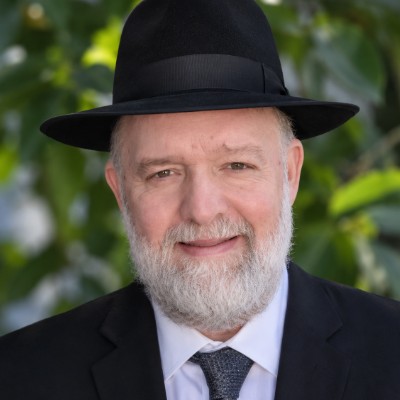
Rosh Yeshiva of Yeshivas Bais Moshe Chaim
Dedicate a Shiur in shiurim from Rabbi Akiva Zweig
L'ilui nishmas a loved one. In honor of a simcha or yahrzeit. As a zechus for a refuah sheleimah. Your dedication helps carry Rabbi Zweig's Torah to learners around the world.
AI search understands topics, Hebrew terms, parsha names, and concepts.
Who was the first Jew - Avrohom, Isaac, or Yaakov? The answer is none of them, since Jewish identity with binding mitzvah obligations only began at Sinai. The shiur uses this paradox to explain why halacha follows maternal lineage and how Judaism differs fundamentally from belief-based religions.
Why do different siddurim organize morning prayers so differently, with some going straight from Modeh Ani to Birkat HaTorah while others insert many verses first? The shiur traces these approaches to a fundamental question about whether reciting biblical verses as prayer (rather than study) requires the Torah blessing. Both structures aim to fulfill 'Shiviti Hashem l'negdi tamid' - developing awareness of Hashem's presence before formal davening begins.
Why must prayer begin immediately upon waking, even before Torah study? The shiur develops the yesod that sleep involves soul-separation requiring immediate spiritual reintegration through Modeh Ani and hand washing. This morning reconnection to Hashem prevents extended spiritual separation and establishes divine awareness for the entire day.
What does it mean to 'bless' God in our prayers when God lacks nothing? The Rashba's foundational insight that berachah means 'increase of goodness' reframes Jewish prayer as actively channeling divine abundance downward. This transforms Shemoneh Esrei from mere petition into participation in drawing God's infinite bounty into our world.
Why is Shavuos called 'giving of the Torah' when only the Ten Commandments were spoken and no physical Torah transmitted? The shiur develops that Torah represents access to infinite divine wisdom, not just information. The 'giving' at Sinai established an eternal relationship with God's infinity, transforming the Jewish people from finite to infinite existence.
Why did the Men of the Great Assembly institute formal prayer when Jews had always davened in their own words? The Rambam explains that exile scattered Jews among foreign nations, corrupting their languages and leaving them unable to express their spiritual needs articulately. The shiur traces how this linguistic and spiritual crisis led to the eighteen blessings that ensure complete prayer even for those who lack the words or wisdom to daven effectively on their own.
What did Jews pray before the Great Assembly standardized the Shemoneh Esreh? The shiur distinguishes three historical layers: the Avot created prayer for atonement, Moshe established obligatory personal prayer and prayers to establish God's presence, and the Great Assembly combined these into our current format. A remarkable Midrash traces each blessing to angels' praises at key moments in Jewish history.
What transforms prayer from mere lip service into authentic divine service? The Rambam teaches that tefillah without kavanah isn't truly prayer at all, while sources reveal that sincere intention creates automatic divine response. The shiur offers practical methods to achieve focus and connection even for those who struggle with Hebrew.
How can prayer truly replace Temple offerings as our primary spiritual service? The shiur develops the principle that prayer surpasses offerings by enabling atonement even for intentional sins, which sacrifices could not address. This explains why 'Hashem open my lips' - Dovid's plea for forgiveness regarding Bathsheba - introduces every Shemoneh Esrei and why tears in prayer are particularly powerful.
When is Havinenu appropriate, and what are women's obligations for daily tefillah? Havinenu serves as an abbreviated Shemoneh Esrei only during genuine time constraints or danger, condensing the middle blessings while preserving the prayer's essential structure. Women must daven Shacharis and Mincha but are exempt from Ma'ariv according to Rabbi Elyashiv's psak.
Does women's obligation in prayer stem from Torah or rabbinic law? The shiur analyzes the Rambam-Ramban debate and shows how the Shulchan Aruch's ruling that women must pray creates practical flexibility. Women can fulfill their obligation with one daily Shemoneh Esrei at any time, or use the abbreviated Tefilah Ketzarah during genuine time constraints.
What gives prayer its transformative power beyond mere ritual recitation? Sources from Rishonim through Chassidic masters reveal that proper kavanah creates complete devekus with Hashem, making prayer greater even than good deeds. The shiur shows how concentrated tefillah draws down divine influence to rectify the entire world.
Why does the Amidah vary in length between weekdays and holy days, and why are there four distinct prayer services? The Ramchal's framework maps prayer structure onto the four spiritual worlds and shows how each service draws down divine influence appropriate to different times and spiritual states. This cosmic understanding transforms davening from routine recitation into conscious participation in sustaining creation.
How does the four-letter divine name structure our connection to God? The shiur uses the Ramchal's framework to show that each letter corresponds to different divine attributes - Yud (chesed), Hei (din), Vav (rachamim), final Hei (malchus) - which parallel the four parts of morning prayer. True tikkun olam comes not through secular action but through establishing God's sovereignty in this world.
Why is prayer structured with four distinct sections in the morning service? The shiur explains the Ramchal's teaching that each section serves a specific function: korbanos purify our physical existence, Pesukei D'Zimra reveal God's providence, Shema unifies creation to receive blessing, and Shemoneh Esrei creates the divine connection that carries through the day.
How should the Ramchal's philosophical framework in Derech HaShem translate into daily practice? The shiur synthesizes 60 classes into actionable applications: transforming belief into knowledge-based conviction, making prayer genuine internalization rather than rote recitation, and defining maturity as choosing long-term spiritual gain over immediate pleasure. These principles reshape parenting, anger management, and our relationship with divine authority during both ordinary and tragic circumstances.
How can everything in creation serve God's purpose when so much seems mundane or even harmful? The Ramchal teaches that Divine help flows according to one's motivation toward God in every act—even drinking coffee becomes spiritual when done with proper intention. The Baal HaTurim's surprising reading that the brothers wished for Yosef's hatred shows how accepting consequences as part of God's plan leads to deeper teshuvah and ultimate redemption.
Why does the Ramchal say we use the Hebrew word 'ach' (but/only) specifically for Rosh Hashanah preparations? The shiur develops the Ramchal's principle that shofar doesn't just request mercy—it compels justice itself to demand mercy by rectifying rebellion through accepting God's kingship and awakening Avrohom's merit. When we embody divine attributes of mercy and judgment, justice rules we deserve similar treatment.
How does Shabbos reconnect us with our elevated spiritual nature? The Ramchal teaches that avoiding melacha represents recognition that true sustenance comes from Hashem, not physical effort. This transforms Shabbos from restriction into spiritual elevation, allowing us to temporarily return to our pre-sin state of direct divine connection.
How should Jews respond to tragedy and suffering? The shiur argues that tragedies are divine messages calling us to strengthen Torah learning and davening, which the Gemara identifies as the true protection of the Jewish people. Rather than asking why bad things happen, we must recognize our interconnectedness and respond through increased spiritual effort.
Browse by category above to find all 114 shiurim.

