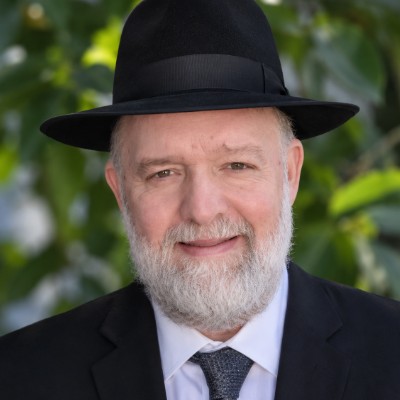
Rosh Yeshiva of Yeshivas Bais Moshe Chaim
Dedicate a Shiur in shiurim from Rabbi Akiva Zweig
L'ilui nishmas a loved one. In honor of a simcha or yahrzeit. As a zechus for a refuah sheleimah. Your dedication helps carry Rabbi Zweig's Torah to learners around the world.
AI search understands topics, Hebrew terms, parsha names, and concepts.
What gives prayer its transformative power beyond mere ritual recitation? Sources from Rishonim through Chassidic masters reveal that proper kavanah creates complete devekus with Hashem, making prayer greater even than good deeds. The shiur shows how concentrated tefillah draws down divine influence to rectify the entire world.
How does the four-letter divine name structure our connection to God? The shiur uses the Ramchal's framework to show that each letter corresponds to different divine attributes - Yud (chesed), Hei (din), Vav (rachamim), final Hei (malchus) - which parallel the four parts of morning prayer. True tikkun olam comes not through secular action but through establishing God's sovereignty in this world.
Why is prayer structured with four distinct sections in the morning service? The shiur explains the Ramchal's teaching that each section serves a specific function: korbanos purify our physical existence, Pesukei D'Zimra reveal God's providence, Shema unifies creation to receive blessing, and Shemoneh Esrei creates the divine connection that carries through the day.
How does Shabbos reconnect us with our elevated spiritual nature? The Ramchal teaches that avoiding melacha represents recognition that true sustenance comes from Hashem, not physical effort. This transforms Shabbos from restriction into spiritual elevation, allowing us to temporarily return to our pre-sin state of direct divine connection.
How should Jews respond to tragedy and suffering? The shiur argues that tragedies are divine messages calling us to strengthen Torah learning and davening, which the Gemara identifies as the true protection of the Jewish people. Rather than asking why bad things happen, we must recognize our interconnectedness and respond through increased spiritual effort.
Why are women exempt from time-bound mitzvos like tzitzis and tefillin? The Ramchal explains that men serve God by rectifying creation at specific times, while women serve through constant availability for nurturing life. Both paths are equally sacred but require different forms of divine service.
What distinguishes true love and fear of God from their counterfeit versions? The Ramchal's framework shows that genuine yirah stems from perceiving God's greatness and wanting connection despite unworthiness, while true love seeks to sanctify His name rather than receive rewards. This principle extends to human relationships, where transcendent appreciation creates lasting bonds versus transactional motivations.
How can Hashem maintain perfect justice while also exercising pure mercy? The Ramchal's framework shows that divine justice is self-imposed and can be overridden when divine wisdom deems appropriate, like Hashem creating a tunnel for King Menashe's rejected repentance. This explains how spiritual connection determines whether we live in a world where righteousness prevails or anxiety dominates.
Why doesn't God judge the world immediately based on His complete knowledge of all our actions? The Ramchal reveals that God deliberately created a heavenly court system with prosecutors, witnesses, and scheduled judgment times to provide space for teshuvah. This divine mercy teaches us to practice similar patience with others' failings.
Why do Jews have direct access to God while other nations must work through angelic intermediaries? The Ramchal's framework shows that after Babel, seventy angels were appointed over the nations while Jews retained unmediated divine providence. This means every Jewish mitzvah and character trait literally affects the spiritual state of the entire universe.
Do superior characteristics justify a "better than" attitude? Building on the Igeres HaRamban, the shiur argues that greater knowledge creates greater responsibility, not entitlement. Jews must view all people as greater than themselves, because their advantages from Avrohom mean higher culpability for their failures.
Why do righteous people sometimes suffer while wicked people prosper? The Ramchal in Derech Hashem explains that Divine Providence operates through multiple principles - sometimes making life easier for the righteous to help them serve God, sometimes creating obstacles for growth, and sometimes preventing the wicked from accomplishing evil. Since we cannot know which principle applies to our situation, we should pray for success as a tool for serving God better while recognizing that prosperity brings greater responsibility.
What does Hillel's famous three-part teaching in Avos really mean for personal growth? The shiur unpacks each element: self-reliance means taking responsibility for choices only you can make, developing yourself creates capacity to empower others, and urgency matters because earlier spiritual starts compound like a trampoline effect into higher achievement.
Why do only some people merit high levels in the World to Come if we're all interconnected? The Ramchal's framework shows that while nearly everyone merits eternal existence, individual levels depend on personal effort and community-mindedness. Deeds done for selfish gain receive only temporal reward, while those contributing to the 'perfected community' earn infinite value.
How can human free will coexist with complete Divine providence? The Ramchal's framework reveals that God maintains 'veto power' - humans can choose freely, but God controls whether those choices affect others and creation, while never interfering with how our actions affect our own spiritual development. This explains why we can only truly control making ourselves righteous.
How does the Ramchal's three-realm structure of creation position man within the cosmic order? Man uniquely combines absolute opposites - a spiritual soul in a physical body - making him the only being who can influence upward from physical to spiritual realms. This explains why individual human choices activate all forces in creation.
How do mitzvos elevate both body and soul when physical perfection seems impossible in this world? The Ramchal teaches that positive mitzvos create excellence while negative ones remove deficiency, but complete purification requires death and resurrection. Spiritual growth demands strategic planning to subjugate the evil inclination rather than relying on willpower alone.
Why does Hashem send difficulties into our lives? When we learn to find gratitude in life's small challenges and irritations, recognizing them as gentle divine guidance, Hashem doesn't need to send larger trials to teach us the same lessons about faith and perspective.

