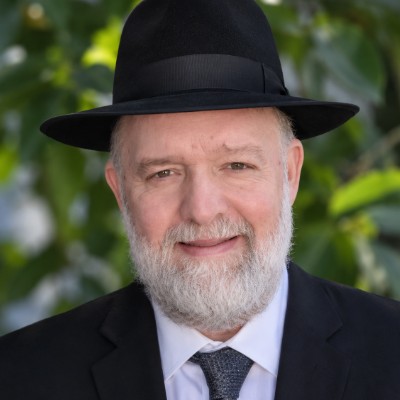
Rosh Yeshiva of Yeshivas Bais Moshe Chaim
Dedicate a Shiur in shiurim from Rabbi Akiva Zweig
L'ilui nishmas a loved one. In honor of a simcha or yahrzeit. As a zechus for a refuah sheleimah. Your dedication helps carry Rabbi Zweig's Torah to learners around the world.
AI search understands topics, Hebrew terms, parsha names, and concepts.
What does it mean to 'bless' God in our prayers when God lacks nothing? The Rashba's foundational insight that berachah means 'increase of goodness' reframes Jewish prayer as actively channeling divine abundance downward. This transforms Shemoneh Esrei from mere petition into participation in drawing God's infinite bounty into our world.
When is Havinenu appropriate, and what are women's obligations for daily tefillah? Havinenu serves as an abbreviated Shemoneh Esrei only during genuine time constraints or danger, condensing the middle blessings while preserving the prayer's essential structure. Women must daven Shacharis and Mincha but are exempt from Ma'ariv according to Rabbi Elyashiv's psak.
Why did God threaten burial rather than death if Israel rejected the Torah, and why use the cryptic term 'mutav' (good/fine) for acceptance? The shiur develops that 'tov' represents infinite goodness, so accepting Torah means embarking on an endless path of betterment rather than achieving instant perfection. This reframes Orthodox Judaism as commitment to meaningful growth steps, not all-or-nothing perfection.
Why does the first paragraph of Shema lead naturally to love while the second paragraph commands love? The shiur distinguishes between natural love flowing from recognizing God's unity versus mechanical relationship based on quid pro quo commandments. This resolves why 've-asafta deganecha' appears after commands to love with all your heart - it refers to the second paragraph's commanded love level where one must work while studying Torah.
Why did God create seven specific elements before the world - Torah, teshuvah, Gan Eden, Gehenna, the throne of glory, the Beis Hamikdash, and Mashiach's name? The Ramchal's framework reveals these as the divine blueprint positioning man uniquely between angels and animals with free will to earn perfection. True identity emerges from our choices, not our attributes - we are the 'capital I' that decides, using body and soul as tools.
Why did internal Jewish factionalism contribute more to the Temple's destruction than Roman military might? The shiur shows how zealots and rabbis violently disagreed about resisting Rome, creating unprecedented Jewish-on-Jewish bloodshed. Rabbi Yochanan Ben Zakai's escape and negotiation with Vespasian exemplifies the rabbinic approach that prioritized Torah continuity over political resistance.
Why did Rabbi Yehuda HaNasi break with fifteen hundred years of tradition to write down the oral Torah as the Mishna? The shiur traces how Herod's massacre of Torah scholars and the resulting diminishment of scholarship forced this preservation. Hillel's strategic leadership during Herod's reign established the Tannaim who would eventually create this written foundation unifying Jews throughout exile.
Why do the 2,000 years of Torah begin with Avrohom rather than when the Torah was actually given through Moshe? The shiur develops the distinction between Torah as maintenance (preventing destruction, like Noach's generation) versus Torah as transformation (developing relationship with God). Avrohom's revolution was teaching that meaningful life requires pursuing God's ultimate plan, not just following rules to avoid catastrophe.

