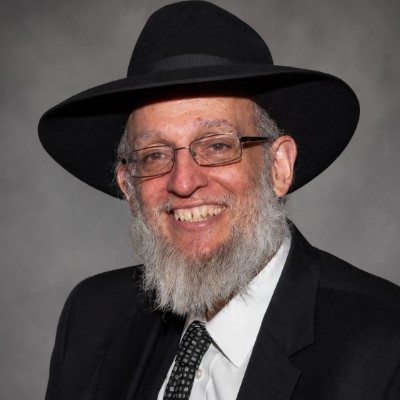
Famed late Mashgiach of Yeshivas Bais Moshe Chaim, His shiurim are a staple of the Yeshiva.
Dedicate a Shiur in shiurim from Rabbi Yeshaya Greenberg ZT"L
L'ilui nishmas a loved one. In honor of a simcha or yahrzeit. As a zechus for a refuah sheleimah. Your dedication helps carry Rabbi Zweig's Torah to learners around the world.
AI search understands topics, Hebrew terms, parsha names, and concepts.
Why does the first of the Thirteen Attributes refer to God's mercy "before a person sins" - what mercy does a sinless person need? The Maharal's yesod transforms the entire framework: our very existence is pure Divine chesed, since God created us solely to bestow good upon us. This makes sin not mere disobedience but ingratitude - rejecting the goodness of One whose every command benefits us.
Why does the Mishna teach serving God 'not for reward' when the Ramchal says God created the world specifically to bestow reward on us? The shiur uses the Nefesh HaChaim's distinction: serving for reward becomes proper when motivated by fulfilling God's desire to give, rather than our desire to receive. This transforms reward-seeking from selfishness into genuine avodas Hashem.
Should we serve Hashem for reward or without expectation of reward? The shiur explores how this seeming contradiction resolves when we understand that mitzvos must have intrinsic value beyond their rewards. True avoda creates genuine deveikus with Hashem, making subsequent reward deserved rather than unearned charity.
How can the Rambam require teshuvah gemurah where one never returns to sin, when even tzadikim retain free choice? The Mabit's question resolves through understanding that repeated sins become part of one's identity, as the Gemara teaches about 'aveirah ve-shanavah.' True teshuvah uproots sin from one's essential being, allowing a fresh start with full choice rather than being trapped by past patterns.

