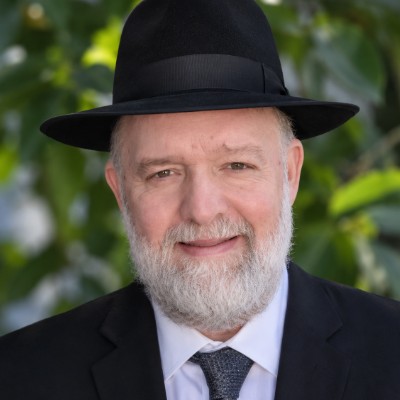
Rosh Yeshiva of Yeshivas Bais Moshe Chaim
Dedicate a Shiur in shiurim from Rabbi Akiva Zweig
L'ilui nishmas a loved one. In honor of a simcha or yahrzeit. As a zechus for a refuah sheleimah. Your dedication helps carry Rabbi Zweig's Torah to learners around the world.
AI search understands topics, Hebrew terms, parsha names, and concepts.
Who was the first Jew - Avrohom, Isaac, or Yaakov? The answer is none of them, since Jewish identity with binding mitzvah obligations only began at Sinai. The shiur uses this paradox to explain why halacha follows maternal lineage and how Judaism differs fundamentally from belief-based religions.
Why do different siddurim organize morning prayers so differently, with some going straight from Modeh Ani to Birkat HaTorah while others insert many verses first? The shiur traces these approaches to a fundamental question about whether reciting biblical verses as prayer (rather than study) requires the Torah blessing. Both structures aim to fulfill 'Shiviti Hashem l'negdi tamid' - developing awareness of Hashem's presence before formal davening begins.
Why must prayer begin immediately upon waking, even before Torah study? The shiur develops the yesod that sleep involves soul-separation requiring immediate spiritual reintegration through Modeh Ani and hand washing. This morning reconnection to Hashem prevents extended spiritual separation and establishes divine awareness for the entire day.
Why did the Men of the Great Assembly institute formal prayer when Jews had always davened in their own words? The Rambam explains that exile scattered Jews among foreign nations, corrupting their languages and leaving them unable to express their spiritual needs articulately. The shiur traces how this linguistic and spiritual crisis led to the eighteen blessings that ensure complete prayer even for those who lack the words or wisdom to daven effectively on their own.
What did Jews pray before the Great Assembly standardized the Shemoneh Esreh? The shiur distinguishes three historical layers: the Avot created prayer for atonement, Moshe established obligatory personal prayer and prayers to establish God's presence, and the Great Assembly combined these into our current format. A remarkable Midrash traces each blessing to angels' praises at key moments in Jewish history.
What transforms prayer from mere lip service into authentic divine service? The Rambam teaches that tefillah without kavanah isn't truly prayer at all, while sources reveal that sincere intention creates automatic divine response. The shiur offers practical methods to achieve focus and connection even for those who struggle with Hebrew.
How can prayer truly replace Temple offerings as our primary spiritual service? The shiur develops the principle that prayer surpasses offerings by enabling atonement even for intentional sins, which sacrifices could not address. This explains why 'Hashem open my lips' - Dovid's plea for forgiveness regarding Bathsheba - introduces every Shemoneh Esrei and why tears in prayer are particularly powerful.
Does women's obligation in prayer stem from Torah or rabbinic law? The shiur analyzes the Rambam-Ramban debate and shows how the Shulchan Aruch's ruling that women must pray creates practical flexibility. Women can fulfill their obligation with one daily Shemoneh Esrei at any time, or use the abbreviated Tefilah Ketzarah during genuine time constraints.
What is the status of converts who underwent proper conversion procedures but had ulterior motives like money or marriage? The shiur establishes that such converts retain full Jewish status once circumcision, mikvah, and mitzvah acceptance occurred before three judges. Even converts with improper motivations cannot renounce their Jewish identity, just as apostates remain halakhically Jewish despite abandoning observance.

